

What Are Portable Oxygen Cylinders and How Are They Used?
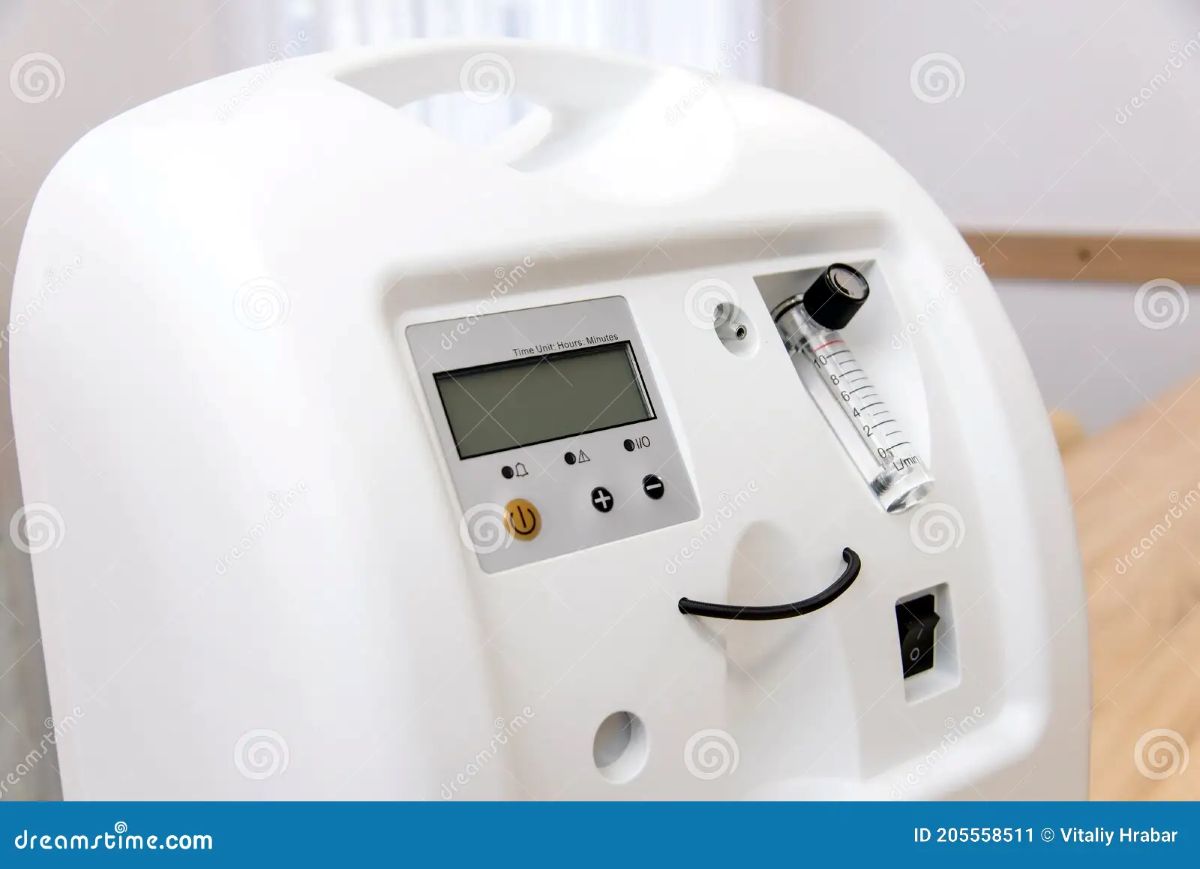
Portable oxygen cylinders are compact, lightweight oxygen therapy devices designed to deliver supplemental oxygen to individuals with respiratory conditions whilst maintaining their independence and mobility. These medical devices typically weigh between 2-3 kg and provide oxygen for approximately three hours, making them ideal for people who need oxygen support beyond their home environment.
Portable oxygen cylinder serves a specific purpose: delivering prescribed amounts of supplemental oxygen to patients during their daily activities. They contain compressed oxygen gas that flows through a regulator, allowing users to receive the exact oxygen flow rate prescribed by their healthcare provider.
How Do They Compare to Other Oxygen Therapy Devices?
The landscape of home oxygen therapy includes three main options:
- Oxygen concentrators: Recommended for continuous, round-the-clock use at home
- Large stationary cylinders: Suitable for short-term or intermittent oxygen therapy
- Portable oxygen cylinders: Designed specifically for mobility and active lifestyles
Portable cylinders stand out for their convenience and ease of transport. Unlike stationary concentrators that require electrical power, portable cylinders operate independently. They’re significantly lighter than large stationary tanks, enabling users to carry them without assistance.
When Are Portable Oxygen Cylinders Most Beneficial?
These devices excel in situations where mobility matters:
- Travelling by car, train, or other transport
- Attending social gatherings or family events
- Shopping trips or medical appointments
- Outdoor activities like walking in parks
- Moving between rooms at home
- Short excursions away from stationary oxygen equipment
The primary advantage lies in preserving quality of life. Patients can maintain social connections, pursue hobbies, and complete essential errands without being tethered to home-based equipment. This freedom reduces the psychological burden of chronic respiratory conditions and helps individuals stay physically active within their capabilities.
Why Is a Replacement Schedule Important for Portable Oxygen Cylinders?
A well-planned replacement schedule prevents oxygen supply depletion at critical moments, ensuring patients maintain the therapeutic oxygen levels their bodies require. Without consistent monitoring and timely refills, cylinders can run empty during essential activities, leaving patients vulnerable to dangerous drops in blood oxygen saturation.
Unexpected oxygen depletion poses immediate health risks. When oxygen levels fall below prescribed thresholds, patients may experience:
- Shortness of breath and increased respiratory distress
- Dizziness, confusion, or loss of consciousness
- Cardiac strain from the heart working harder to compensate for low oxygen
- Potential organ damage from prolonged hypoxia
- Emergency hospital admissions that could have been prevented
The consequences extend beyond physical symptoms. Running out of oxygen during outdoor activities or whilst away from home creates anxiety and limits confidence in managing daily routines. Patients may restrict their movements out of fear, effectively reversing the mobility benefits that portable cylinders are designed to provide.
Safety considerations make replacement schedules non-negotiable rather than optional. Cylinders don’t simply stop working gradually—they deplete completely. Unlike oxygen concentrators that draw from ambient air, portable cylinders contain finite supplies. A patient who miscalculates their remaining oxygen faces a binary situation: adequate supply or none at all.
The body’s response to insufficient oxygen happens quickly. Brain cells begin experiencing damage within minutes of severe oxygen deprivation. Patients with chronic respiratory conditions already operate with compromised lung function, meaning they have less physiological reserve to tolerate even brief interruptions in supplemental oxygen therapy.
Adhering to a structured replacement schedule transforms oxygen therapy from a reactive scramble into proactive health management. Patients who track their usage patterns and schedule refills before cylinders approach empty maintain stable oxygenation levels. This consistency prevents the physiological stress of fluctuating oxygen availability, supporting better overall health outcomes and reducing the likelihood of acute exacerbations of their underlying respiratory conditions.
Text: “home or engage in physical activities may require more frequent refills than those with sedentary lifestyles.
Consider these factors when evaluating your usage patterns:
- Activity level: If you regularly participate in sports, exercise, or other strenuous activities, your oxygen consumption will likely be higher during those times.
- Duration of outings: Longer trips or extended periods away from home may necessitate carrying additional cylinders or planning for refills.
- Travel habits: Frequent travel, whether for work or leisure, can impact your oxygen needs and replacement schedule. Be mindful of any changes in altitude or environmental conditions that may affect your breathing.
By analysing these aspects of your life, you can gain insights into how often you’ll need to replace your portable oxygen cylinders. This knowledge empowers you to proactively manage your oxygen supply and ensure uninterrupted access to the therapy you require.”
How Can Patients Determine Their Oxygen Needs Accurately?
Medical guidance forms the foundation of safe oxygen therapy. Self-assessment or guesswork can lead to dangerous under-dosing or over-dosing situations. Only qualified healthcare professionals possess the expertise and diagnostic tools to determine precise oxygen requirements.
Why Professional Assessment Cannot Be Skipped
Respiratory conditions vary dramatically between individuals. Two patients with the same diagnosis may require completely different oxygen flow rates and usage patterns. A proper prescription accounts for:
- Severity of the underlying respiratory condition
- Blood oxygen saturation levels during rest and activity
- Coexisting health conditions affecting oxygen needs
- Physical activity levels and lifestyle requirements
Specialist assessment provides the clinical data needed for Choosing the Right Portable Oxygen Cylinder Replacement Schedule. Without accurate measurements, patients risk purchasing insufficient supplies or wasting resources on excessive oxygen.
Diagnostic Tools Healthcare Providers Use
Doctors and respiratory therapists employ several evaluation methods to establish oxygen requirements. Arterial blood gas (ABG) tests measure oxygen and carbon dioxide levels directly from arterial blood, offering the most accurate snapshot of respiratory function. These tests reveal whether oxygen therapy is medically necessary and at what concentration.
Other Resources : Percutaneous Arterial Blood Gas sampling and analysis
Pulse oximetry monitoring tracks blood oxygen saturation non-invasively during various activities. Healthcare providers may conduct six-minute walk tests or exercise studies whilst monitoring oxygen levels. These assessments show how oxygen demands change during physical exertion, helping determine whether flow rates need adjustment for different situations.
Sleep studies identify patients who experience oxygen desaturation during rest. Some individuals maintain adequate oxygen levels whilst awake but require supplemental oxygen overnight, directly impacting replacement schedules.
The Prescription Process
A valid oxygen prescription specifies:
- Flow rate in litres per minute (L/min)
- Duration of daily use (continuous, intermittent, or activity-based)
- Delivery method (nasal cannula, mask, or other interface)
- Specific circumstances requiring oxygen therapy
This prescription determines cylinder consumption rates. A patient prescribed 2 L/min continuous oxygen depletes cylinders twice as fast as someone using 1 L/min. Understanding these prescribed parameters allows accurate calculation of replacement frequencies.
Regular Reassessment Requirements
What Safety Protocols Should Be Followed When Managing Portable Oxygen Cylinders?
Oxygen supports combustion, making proper safety protocols essential when handling portable cylinders. The gas itself doesn’t burn, but it accelerates flames and can turn a small fire into a dangerous blaze within seconds.
Where Should You Store Portable Oxygen Cylinders?
Store cylinders upright in a well-ventilated space, secured with straps or stands to prevent tipping. Keep them at least 1.5 metres away from heat sources, including radiators, cookers, and direct sunlight. Never store cylinders in confined spaces like cupboards or car boots where oxygen could accumulate and create fire risks.
Storage guidelines require:
- Positioning cylinders in rooms with adequate airflow
- Avoiding damp or humid areas that could damage equipment
- Keeping cylinders away from electrical outlets and switches
- Ensuring storage areas remain below 50°C
What Fire Hazards Must You Avoid?
Flammable materials pose the greatest risk around oxygen cylinders. Keep petroleum-based products like oils, greases, and aerosol sprays at least 3 metres away. Smoking near oxygen equipment is strictly prohibited—even residual oxygen on clothing can ignite.
Remove potential ignition sources from the immediate area:
- Open flames from candles, gas cookers, or fireplaces
- Friction-generating items like wool blankets that create static
- Alcohol-based hand sanitisers and cleaning products
- Hair styling tools and electric heaters
How Should You Handle Cylinders During Use?
Always turn off the cylinder valve when not actively using oxygen. Check connections regularly for leaks by applying soapy water—bubbles indicate escaping oxygen. Never use oil or grease on valves or fittings, as these substances can ignite spontaneously in oxygen-rich environments.
Handle cylinders gently to avoid damaging valves or regulators. Drop impacts can compromise cylinder integrity and create dangerous pressure releases. Transport cylinders in ventilated vehicles with windows slightly open, never in sealed compartments.
How to Plan an Effective Replacement Schedule Based on Patient-Specific Needs
A personalised replacement schedule requires calculating the exact duration each cylinder will last based on three critical variables. Multiply the cylinder’s capacity (in litres) by its pressure, then divide by the prescribed flow rate (litres per minute) to determine usage time. For example, a 2-litre cylinder at 137 bar pressure contains approximately 274 litres of oxygen; at a flow rate of 2 L/min, this provides roughly 137 minutes of use.
Calculating Your Individual Oxygen Duration
Patient-specific oxygen demand varies significantly throughout the day. Someone who uses oxygen only during physical activity will have vastly different needs compared to someone requiring continuous supplementation. Track your daily usage patterns for at least one week, noting:
- Hours of oxygen use per day
- Activities requiring higher flow rates
- Rest periods when oxygen isn’t needed
- Unexpected situations requiring additional supply
Building a Buffer Into Your Schedule
Never plan replacements based on exact calculations alone. A practical replacement schedule includes a 20-30% safety margin to account for unexpected circumstances. If calculations suggest a cylinder lasts 120 minutes, plan for replacement or refill when 90 minutes of use remain. This buffer prevents emergency situations where oxygen runs out during critical moments.
Adjusting for Lifestyle and Activity Levels
Active patients who travel frequently need different scheduling approaches than those with sedentary routines. Consider maintaining multiple cylinders at various stages of depletion. This rotation system ensures at least one fully charged cylinder is always available whilst another is in use. Patients attending regular appointments or social events should schedule refills around these commitments rather than waiting until supplies run critically low.
Working With Your Healthcare Provider
Your respiratory therapist or oxygen supplier can help establish realistic timelines based on your prescription and lifestyle. They access historical usage data from previous refills and can identify patterns you might miss. Request a written schedule that accounts for weekends, bank holidays, and periods when supplier services may be limited. Some providers offer automatic delivery services triggered when cylinders reach predetermined levels.
Monitoring and Adjusting Over Time
Oxygen needs change with disease progression, seasonal variations, or medication adjustments. Review your replacement schedule quarterly or whenever your prescription changes. Keep an eye on your actual usage compared to what was planned and make necessary adjustments accordingly.
What Are the Potential Risks of Ignoring Proper Replacement Schedules?
Neglecting a proper replacement schedule exposes patients to serious health risks through either inadequate dosing or oxygen toxicity. When cylinders run empty unexpectedly, patients experience dangerous drops in blood oxygen levels that can trigger acute respiratory distress, organ damage, or life-threatening emergencies.
Underdosing: The Silent Threat
Running out of oxygen between scheduled replacements forces the body to function with insufficient oxygen supply. This condition, known as hypoxaemia, manifests through symptoms like severe breathlessness, confusion, rapid heartbeat, and bluish discolouration of the lips or fingertips. Prolonged periods of inadequate oxygen delivery strain the cardiovascular system as the heart works harder to compensate for reduced oxygen availability.
Chronic underdosing accelerates disease progression in patients with conditions like COPD or pulmonary fibrosis. The brain and vital organs suffer from repeated oxygen deprivation, potentially causing cognitive decline, memory problems, and increased risk of heart failure. Patients who frequently run out of oxygen between refills often experience:
- Increased hospital admissions due to respiratory crises
- Worsening of underlying respiratory conditions
- Reduced exercise tolerance and physical function
- Higher mortality rates compared to those maintaining consistent oxygen therapy
Oxygen Toxicity: When More Isn’t Better
Attempting to compensate for poor planning by increasing flow rates or using oxygen longer than prescribed creates its own dangers. Oxygen toxicity occurs when tissues absorb excessive amounts of oxygen, generating harmful free radicals that damage cell membranes and lung tissue. This condition typically develops when patients receive oxygen concentrations above their prescribed levels for extended periods.
Early signs of oxygen toxicity include chest pain, coughing, and difficulty breathing—symptoms that ironically mirror oxygen deficiency. Prolonged exposure to excessive oxygen levels causes:
- Pulmonary damage and scarring of lung tissue
- Suppression of natural breathing drive in some patients
- Increased risk of respiratory infections
- Potential vision problems in vulnerable individuals
The Cascade Effect of Inconsistent Supply
Irregular replacement schedules create a pattern of feast-or-famine oxygen availability that disrupts the body’s delicate balance. Patients may overuse.
Conclusion
Choosing the Right Portable Oxygen Cylinder Replacement Schedule requires attention to multiple factors that directly impact your health and wellbeing. The replacement schedule importance cannot be overstated—it forms the backbone of effective portable oxygen therapy management.
Your oxygen supply represents more than just a medical device; it’s your lifeline to maintaining independence and quality of life. Running out of oxygen unexpectedly can trigger serious health complications, from breathlessness and fatigue to potentially life-threatening situations. Regular replacements protect you from these risks.
Working closely with your healthcare provider ensures your replacement schedule aligns with your specific needs. They can help you:
- Calculate accurate refill intervals based on your prescribed flow rate
- Account for variations in your daily activities and oxygen consumption
- Adjust schedules as your condition changes over time
- Identify warning signs that your current schedule needs modification
Keep detailed records of your cylinder usage patterns. Note when you start each new cylinder and when it runs low. These observations help you anticipate your needs and prevent last-minute emergencies. Many patients find it helpful to maintain a backup cylinder, particularly before travelling or extended outings.
Safety considerations extend beyond just having oxygen available. Proper storage, handling, and timely replacement of cylinders prevent equipment failures and maintain the purity of your oxygen supply. Expired or poorly maintained cylinders compromise the effectiveness of your therapy.
Take action today by reviewing your current replacement routine with your respiratory therapist or oxygen supplier. Establish clear reminders for refills, whether through calendar alerts, supplier notifications, or family support. Your commitment to consistent replacements directly translates to better health outcomes and greater peace of mind.
FAQs (Frequently Asked Questions)
What are portable oxygen cylinders and how do they improve patient mobility?
Portable oxygen cylinders are compact oxygen therapy devices designed to deliver supplemental oxygen to individuals with respiratory conditions. They enhance patient mobility by allowing users to maintain an active lifestyle, enabling them to travel, participate in outdoor activities, or move freely around the house with ease.
Why is adhering to a replacement schedule for portable oxygen cylinders crucial?
Following a regular replacement schedule ensures a continuous and adequate supply of oxygen, preventing unexpected depletion that could lead to health emergencies. It is vital for maintaining stable oxygenation levels and safeguarding patient health and safety during daily activities.
Which factors influence how often portable oxygen cylinders need replacing?
The replacement frequency depends on several factors including the cylinder’s size or capacity, the prescribed flow rate (litres per minute), and individual usage patterns based on specific patient needs and activities. Larger cylinders and lower flow rates typically extend duration between replacements.
How can patients accurately determine their individual oxygen requirements?
Patients should seek professional medical guidance from healthcare providers such as doctors or respiratory therapists. Comprehensive assessments, including arterial blood gas tests or exercise studies, help establish precise prescriptions that reflect true oxygen demands tailored to each patient’s condition.
What safety protocols should be followed when handling and storing portable oxygen cylinders?
To minimise fire hazards, portable oxygen cylinders must be stored upright in well-ventilated areas away from heat sources and flammable materials. Secure fastening during transport and adherence to manufacturer guidelines further ensure safe management of these devices.
How can patients plan an effective replacement schedule that suits their specific oxygen needs?
By combining knowledge of cylinder capacity, prescribed flow rate, and individual usage patterns, patients can develop a personalised replacement schedule aligned with their lifestyle. Consulting healthcare professionals aids in tailoring this plan to ensure uninterrupted therapy and optimal health outcomes.
Related : Where to Buy CPAP Machine Online for the Best Prices and Service