What Is a Sleep Study and Why Might Someone Need One?
A sleep study, or polysomnography, monitors your body during sleep to diagnose sleep disorders. Medical professionals track brain waves, oxygen levels, heart rate, breathing patterns, and body movements throughout the night to identify abnormalities affecting sleep quality.
Doctors recommend sleep studies when patients experience persistent symptoms that suggest underlying sleep disorders. The most common conditions requiring evaluation include:
- Sleep apnea – repeated breathing interruptions during sleep
- Chronic insomnia – ongoing difficulty falling or staying asleep
- Narcolepsy – excessive daytime sleepiness and sudden sleep attacks
- Restless leg syndrome – uncomfortable sensations causing leg movement
- Parasomnias – abnormal behaviors like sleepwalking or night terrors
The diagnostic benefits extend beyond identifying specific conditions. Sleep studies provide objective data that helps physicians develop targeted treatment plans, whether that involves CPAP therapy for sleep apnea, medication adjustments, or lifestyle modifications. Untreated sleep disorders contribute to serious health risks including cardiovascular disease, diabetes, and impaired cognitive function.
Understanding how much does a sleep study cost Melbourne becomes essential when considering this diagnostic tool. Early diagnosis through sleep studies prevents long-term health complications and improves quality of life through proper treatment interventions.
How Are Sleep Studies Conducted in Melbourne?
Melbourne offers sleep studies through two distinct pathways: public hospitals and private clinics. Public facilities like Royal Melbourne Hospital (RMH) provide comprehensive sleep disorder services within the public healthcare system. Private clinics operate independently, offering more flexible scheduling options for patients willing to pay additional costs.
The Sleep Study Process in Melbourne
The Melbourne sleep study process varies based on the testing type selected:
- Overnight Polysomnography: This test takes place in specialized sleep laboratories where patients spend the night connected to monitoring equipment. Technicians track brain waves, breathing patterns, heart rate, and body movements throughout the sleep cycle.
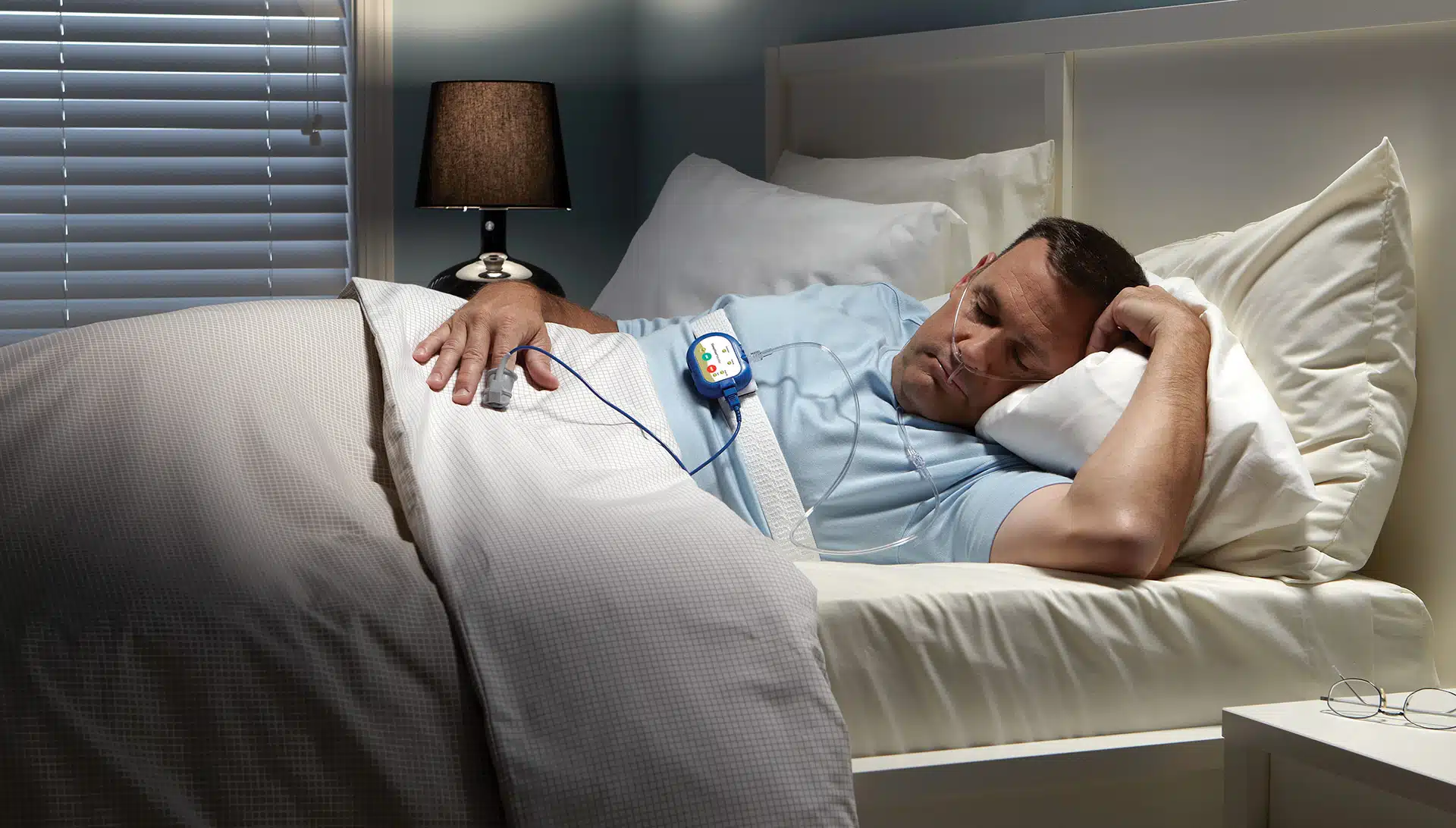
- Home Sleep Apnea Testing: This provides a simpler alternative, allowing patients to use portable monitoring devices in their own beds while recording basic respiratory and oxygen data.
Public vs Private Sleep Studies
Public vs private sleep studies differ significantly in access requirements:
- Public hospital services require a referral from a GP or specialist before booking. The referral enters a triage system where medical staff assess urgency and priority.
- Patients with severe symptoms or emergency concerns can access care through hospital emergency departments, bypassing standard waiting periods.
- Private clinics also request referrals but typically process appointments faster.
- Some private providers accept self-referrals, though insurance coverage may require formal medical documentation.
Both pathways offer similar testing technologies, with the main differences appearing in wait times, costs, and booking flexibility.
How Much Does a Public Sleep Study Cost in Melbourne in 2026?
Public hospital sleep study costs in Melbourne, such as those at the Royal Melbourne Hospital, typically involve minimal to no out-of-pocket expenses for eligible patients. The Medicare coverage sleep study system ensures that most costs are absorbed when you hold a valid referral from your GP or specialist.
The referral and triage system determines your access timeline. Your GP submits a referral to public providers, who then assess the urgency of your case. Emergency presentations through the Emergency Department receive immediate attention, while routine referrals are prioritized based on clinical need.
Key cost factors at public hospitals:
- Medicare-eligible patients with proper referrals usually pay nothing
- Non-urgent cases may face longer wait times but maintain cost benefits
- Bulk-billing arrangements cover standard diagnostic procedures
- Additional tests or follow-up consultations may incur separate charges
Specific 2026 pricing structures remain unpublished by public hospitals. However, the healthcare system maintains consistent funding models year-to-year, with any adjustments typically announced through government healthcare policy updates. Royal Melbourne Hospital and similar public providers continue operating under Medicare’s bulk-billing framework, meaning the financial structure for sleep studies mirrors previous years’ arrangements.
Patients without Medicare eligibility or those seeking faster access often explore private alternatives, where different cost structures apply. It’s important to note that Medicare does have specific coverage policies that could affect certain aspects of the sleep study process.

How Much Does a Private Sleep Study Cost in Melbourne in 2026?
The cost of a private sleep study in Melbourne ranges from approximately $500 to $1,500 AUD. This price varies based on the facility and testing method chosen. Home-based sleep apnea tests are generally less expensive, while comprehensive overnight polysomnography conducted in a specialized sleep lab tends to be more expensive.
What Affects the Final Cost?
The type of diagnostic test being used has a significant impact on pricing. A basic home sleep apnea test, which monitors fewer factors, costs less than full polysomnography that records various parameters such as brain waves, oxygen levels, heart rate, breathing patterns, eye movements, and leg movements throughout the night. Other factors like the location of the clinic, amenities offered by the facility, and whether specialist consultations are included also affect the overall cost.
Key factors influencing cost include:
- Test complexity – Basic screening versus comprehensive diagnostic studies
- Facility type – Standalone sleep clinics versus hospital-affiliated centres
- Equipment quality – Standard monitoring versus advanced diagnostic technology
- Follow-up services – Whether initial consultation and results interpretation are bundled
Understanding Out-of-Pocket Expenses
The benefits provided by private health insurance for sleep studies can vary significantly between policies. Patients with hospital cover and appropriate extras may receive rebates ranging from 30% to 85% of total costs. Those without private health insurance will have to pay the full fee, although Medicare may offer a partial rebate (typically $200-$300) if referred by a GP or specialist.
Can Private Health Insurance Reduce Sleep Study Costs?
Does private health insurance cover sleep studies in Melbourne? Yes, private health insurance sleep study cover Melbourne policies typically include sleep studies under hospital or extras cover, though the extent of coverage varies significantly between insurers and policy tiers.
Most policies with hospital cover classify sleep studies as a diagnostic procedure, potentially covering a substantial portion of the total cost. The level of rebate depends on your specific policy tier—basic hospital cover may provide minimal benefits, while gold or top-tier policies often offer more comprehensive coverage. Some insurers also include sleep studies under extras or ancillary cover, particularly for home-based testing equipment.
What determines how much you’ll pay out-of-pocket? Three key factors influence your final expenses:
- Policy tier and inclusions – Higher-tier policies generally provide better coverage for diagnostic procedures
- Waiting periods – Most insurers impose 2-12 month waiting periods for sleep-related services
- Gap fees – The difference between what the clinic charges and what your insurer reimburses
Before booking a private sleep study, contact your insurer directly to confirm:
- Whether your policy covers the specific type of sleep study recommended
- The percentage of costs covered and any applicable gap fees
- If you’ve completed required waiting periods
Many Melbourne sleep clinics can provide quotes showing estimated out-of-pocket costs based on your insurance details, helping you budget accurately for the procedure. Click here to get more about
What Are the Steps to Access a Sleep Study in Melbourne?
How to get a sleep study Melbourne starts with obtaining a referral for sleep study from your GP or a specialist. Both public and private pathways require this initial step, as sleep clinics and hospitals won’t accept self-referrals for diagnostic sleep testing.
Your GP will assess your symptoms—such as loud snoring, daytime fatigue, or witnessed breathing pauses during sleep—and determine whether a sleep study is medically necessary. If appropriate, they’ll provide a written referral to either a public hospital sleep clinic or a private sleep centre.
Public Hospital Pathway:
- Submit your GP referral to facilities like Royal Melbourne Hospital
- Your case undergoes triage based on clinical urgency
- Routine referrals may face waiting periods of several weeks to months
- Emergency cases can access services through the Emergency Department for immediate assessment
Private Clinic Pathway:
- Contact your chosen private sleep clinic directly with your referral
- Book an appointment, often available within days or weeks
- Some clinics require an initial consultation before scheduling the study
- Confirm costs and insurance coverage before your appointment
The referral remains valid for a specific period, typically 12 months, though this varies between providers. Patients should keep their referring doctor informed throughout the process, particularly if symptoms worsen while waiting for public services.
What Should Patients Consider When Choosing Between Public and Private Sleep Studies?
When deciding between public and private sleep studies, patients should consider several factors:
- Cost structure and accessibility: Public hospital studies through Medicare-eligible pathways typically involve minimal to no out-of-pocket costs with a valid GP referral, though wait times can extend from weeks to several months depending on triage priority. Private clinics usually charge between $500-$1,500 but offer appointments within days or weeks.
- Convenience factors: Private facilities often provide flexible scheduling, including evening and weekend appointments, plus options for home-based testing that eliminates overnight hospital stays. Public hospitals generally conduct studies on weeknights with less scheduling flexibility.
- Type of testing available: Private clinics frequently offer both in-lab polysomnography and home sleep apnea tests, allowing patients to select based on their suspected condition. Public hospitals prioritize comprehensive in-lab studies for complex cases.
- Insurance implications: Patients with private health insurance covering hospital treatments may receive substantial rebates on private sleep studies, potentially reducing costs to $200-$400 out-of-pocket. Those without insurance face the full private fee but avoid public system wait times. Checking your specific policy’s sleep study coverage and any applicable waiting periods prevents unexpected expenses when comparing how much does a sleep study cost in Melbourne across different providers.