If you’re considering laser eye surgery in Australia, one of the first questions you’ll likely ask is, “How much does it actually cost?” The answer isn’t always straightforward. Prices can vary widely between clinics, technologies, and individual eye conditions. Understanding what you’re paying for — and what’s included — is essential to making a confident, informed decision.
As eye care professionals often explain, laser eye surgery is not just a procedure; it’s a carefully planned medical treatment with long-term implications for your vision and quality of life.
Average Laser Eye Surgery Costs in Australia
Laser eye surgery costs in Australia are typically quoted per eye, and pricing depends on the technique used and the complexity of your prescription.
Typical price ranges (AUD):
- LASIK: $2,000 – $3,500 per eye
- PRK: $2,000 – $3,300 per eye
- SMILE: $3,000 – $4,000 per eye
While advertised “from” prices can appear attractive, they often apply only to simple prescriptions. Most patients fall somewhere in the mid-to-upper range once personalised treatment is factored in.
What’s Included in the Quoted Price?
Reputable Australian clinics usually offer all-inclusive pricing, which provides clarity and peace of mind. A comprehensive quote generally covers:
- Initial consultation and eligibility assessment
- Advanced eye scans and corneal mapping
- Surgeon fees and laser technology usage
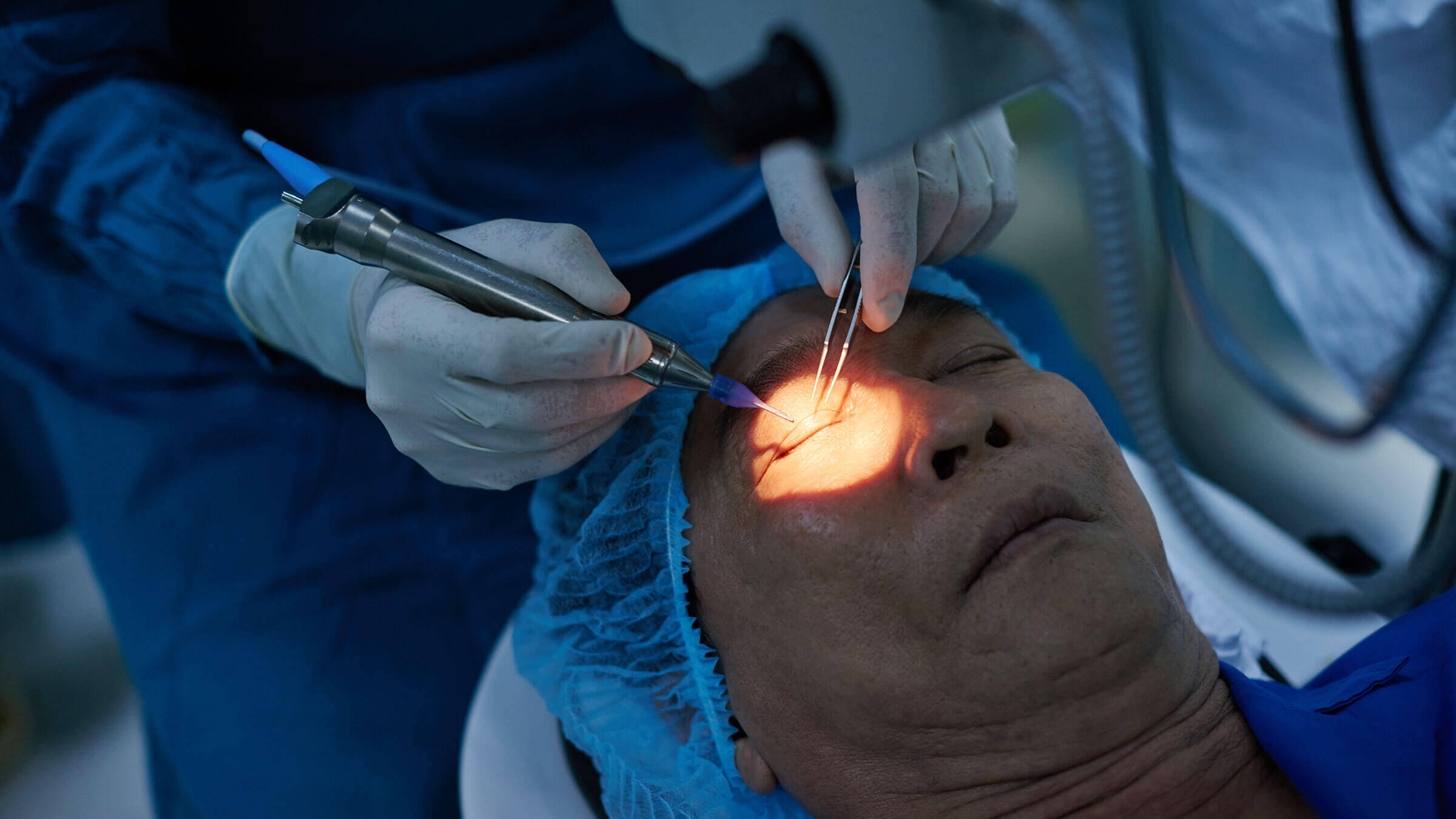
- The laser procedure itself
- Post-operative medications (eye drops)
- Follow-up appointments
- Enhancement procedures if required within a set timeframe
If a clinic doesn’t clearly explain what’s included, it’s worth asking detailed questions before committing.
Factors That Affect Laser Eye Surgery Cost
No two eyes are the same, and several variables influence pricing.
1. Technology Used
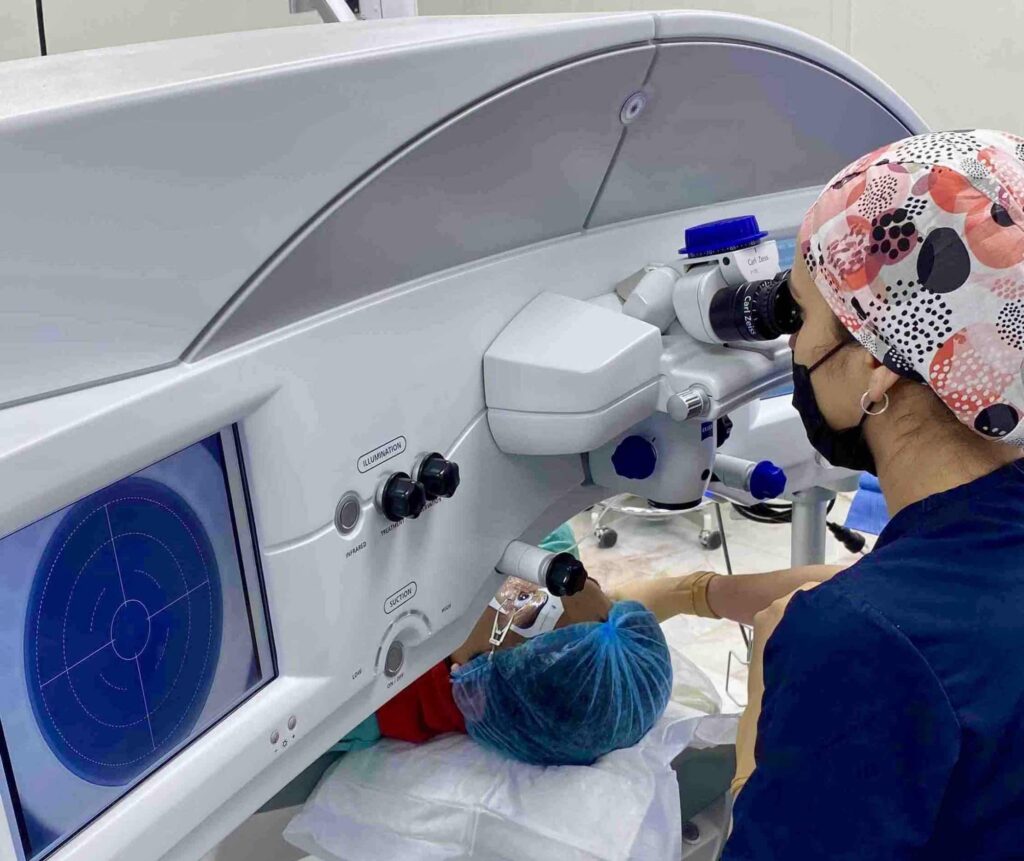
Modern laser platforms offer greater precision, faster recovery, and improved safety. SMILE and bladeless LASIK typically cost more due to advanced equipment and training requirements.
2. Surgeon Experience
Highly experienced refractive surgeons often charge more, reflecting years of specialised expertise and a strong safety record.
3. Clinic Location
Clinics in major cities such as Sydney or Melbourne may have slightly higher costs due to operational expenses, though standards are consistently high nationwide.
4. Eye Health and Prescription
High prescriptions, thin corneas, or astigmatism may require customised treatment, increasing overall cost.
Cheap vs Premium Clinics: What’s the Real Difference?
Lower-cost clinics often focus on volume, offering basic treatments with limited personalisation. Premium clinics tend to provide:
- More advanced diagnostic testing
- Customised treatment planning
- Longer consultation times
- Comprehensive aftercare and enhancement cover
While cheaper options may suit some patients, laser eye surgery is not an area where cutting corners is advisable.
Is Laser Eye Surgery Worth the Cost?
When compared to the long-term expense of glasses and contact lenses, laser eye surgery often proves cost-effective.
Over 10–20 years, many Australians spend $8,000–$15,000 or more on eyewear, contact lenses, solutions, and eye tests. Laser eye surgery is a one-time investment that can deliver decades of clearer vision, convenience, and lifestyle freedom.
Payment Plans and Health Cover Considerations
Payment Options
Most Australian clinics offer flexible payment plans, including interest-free options, allowing patients to spread the cost over time.
Medicare and Private Health
Laser eye surgery is considered elective and not covered by Medicare. Some private health funds may provide limited rebates for consultations or diagnostic testing, but the procedure itself is usually excluded.
Safety, Outcomes, and Long-Term Value
Laser eye surgery in Australia is tightly regulated and has an excellent safety record. Advances in technology have reduced complication rates significantly, with most patients achieving 20/20 vision or better.
Long-term studies show high satisfaction levels, particularly when patients are properly assessed and treated by experienced surgeons.
Who Is — and Isn’t — a Suitable Candidate?
Generally suitable if you:
- Are over 18 with stable vision
- Have healthy eyes and corneas
- Are free from significant eye disease
May not be suitable if you:
- Are pregnant or breastfeeding
- Have uncontrolled dry eye disease
- Have advanced keratoconus or severe corneal thinning
A comprehensive consultation is essential to determine suitability and the safest treatment option.
Final Thoughts
Laser eye surgery cost in Australia reflects far more than the procedure alone. It includes expertise, technology, safety standards, and long-term care. When evaluated carefully, it’s an investment in vision, independence, and daily comfort that many Australians find truly life-changing.
FAQs: Laser Eye Surgery Cost in Australia
1. Why do laser eye surgery prices vary so much between clinics?
Laser eye surgery prices differ due to technology used, surgeon experience, diagnostic testing depth, and aftercare inclusions. Clinics offering customised treatments and comprehensive follow-up generally charge more, reflecting higher operating standards and patient safety measures rather than just the procedure itself.
2. Does a higher price mean better laser eye surgery results?
Not always, but higher-priced clinics often invest in advanced technology and experienced surgeons. These factors can improve accuracy, safety, and recovery. Outcomes depend on proper assessment, suitability, and surgeon expertise rather than price alone.
3. Are enhancement procedures usually included in the cost?
Many Australian clinics include enhancements within a set period, often one to two years, provided vision stabilisation criteria are met. Always confirm enhancement policies, as exclusions or additional fees can apply depending on individual circumstances.
4. Can laser eye surgery save money in the long run?
Yes. While the upfront cost can seem high, many patients save significantly over time by eliminating ongoing expenses for glasses, contact lenses, solutions, and replacements. Over decades, laser eye surgery can be more economical than traditional vision correction.
5. Is it safe to choose the cheapest laser eye surgery option?
Choosing the cheapest option can increase risk if corners are cut on assessments, technology, or aftercare. Safety, surgeon experience, and proper screening are critical. It’s best to prioritise quality and transparency rather than cost alone.