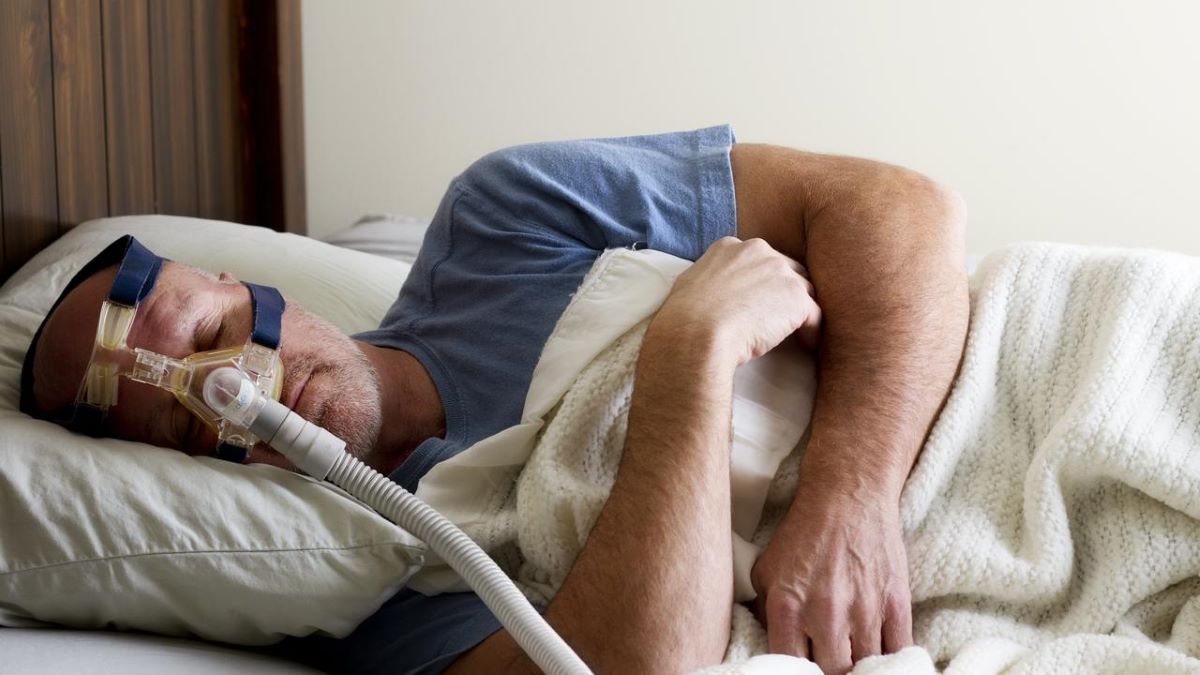
This guide covers what they should check before they buy, so they can avoid common mistakes like the wrong size, the wrong mask type, or a poor seal that leads to leaks and dry mouth.
What types of CPAP masks are available in Australia?
Most CPAP masks Australia suppliers stock three main types: nasal pillows, nasal masks, and full face masks. Each style suits different breathing habits, comfort preferences, and pressure needs.
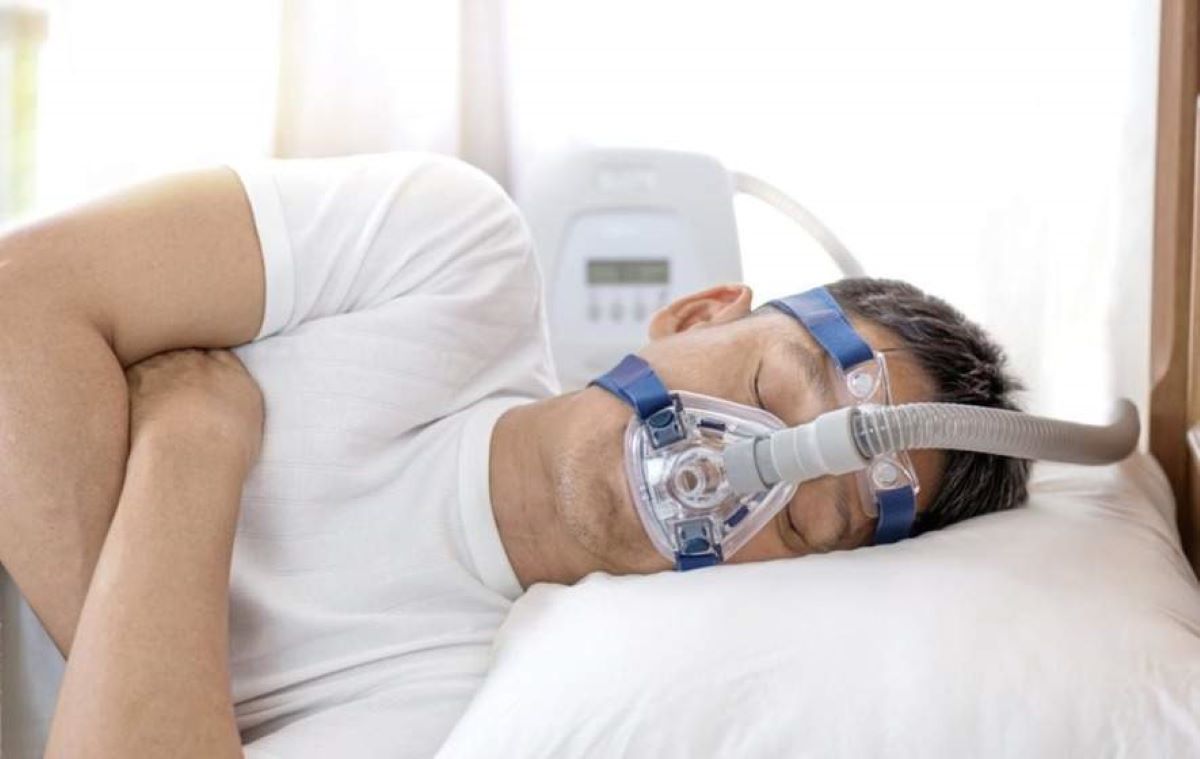
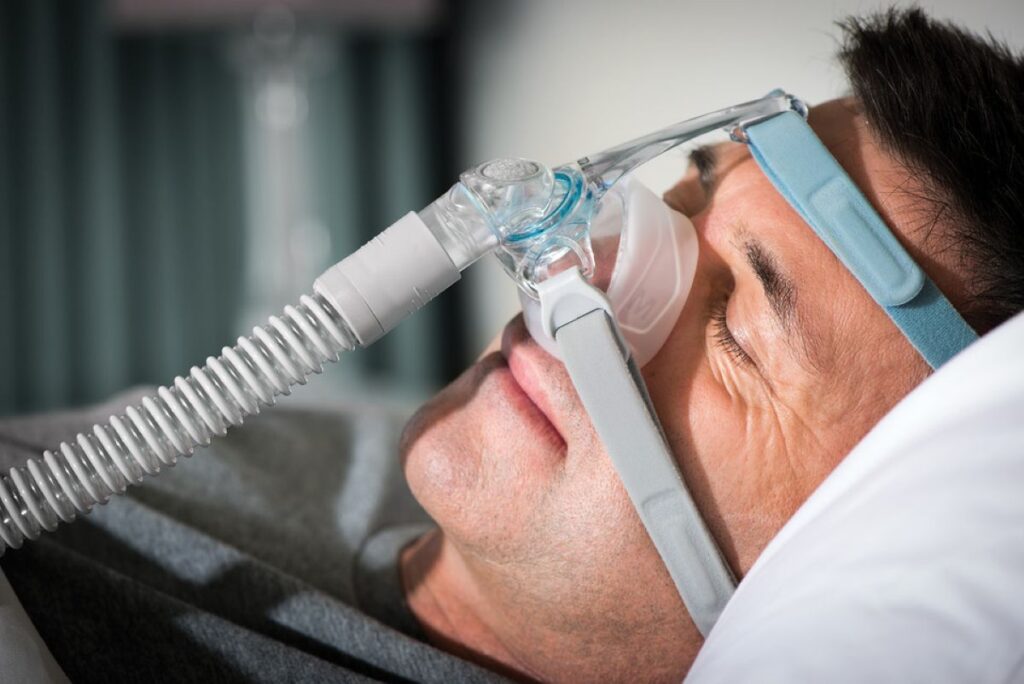
Nasal pillows sit at the nostrils and feel minimal, nasal masks cover the nose, and full face masks cover both nose and mouth. The best match depends on whether they breathe through their nose, mouth, or both during sleep.
How should they choose between nasal, pillows, and full face masks?
They should start with how they breathe and how they sleep. If they reliably breathe through their nose and want a lighter feel, nasal pillows or a nasal mask often works well.
If they frequently breathe through their mouth, have chronic nasal congestion, or wake with a dry mouth, a full face mask can reduce therapy disruption. If they toss and turn or sleep on their side, lower profile masks often stay sealed more easily.
What fit and sizing details matter most?
Fit matters more than brand. A mask that is slightly wrong in size can leak, cause pressure points, or require over-tightening that makes comfort worse.
They should check the supplier’s sizing guide and measure as instructed, since “medium” is not universal across models. A good fit should seal with the straps only snug, not tight, and should not pinch the bridge of the nose or press into the gums.
How can they reduce leaks and improve the seal?
They should aim for the right cushion size and a balanced strap tension. Over-tightening often creates more leaks by distorting the cushion.
If leaks happen mainly when they change position, they may need a different cushion shape, a different frame size, or a CPAP-friendly pillow. If they use moisturiser at night, they should keep it off the cushion area because oils can break the seal.
What comfort features should they look for?
They should look for soft cushion materials, an adjustable headgear design, and a hose connection that suits their sleep position. Many people find top-of-head hose routing reduces tangling and pulling.
If they are sensitive to noise or air drafts, a quieter elbow and a diffuser vent can help. If they get skin irritation, mask liners or a different cushion material may make a noticeable difference.
How do they know if they need a full face mask?
They may need a full face mask if they mouth-breathe consistently, cannot keep their mouth closed even with training, or have nasal blockage that makes nose breathing unreliable. Waking with dry mouth, high leak rates, and therapy that feels ineffective can be clues.
Some people try a chin strap with a nasal mask first, but if mouth leaks continue, a full face mask is often the simpler long-term solution.
What should they know about Australian buying options, trials, and returns?
They should check whether the seller offers mask trials, exchanges, or fit guarantees, because a mask can feel fine for five minutes and fail after five hours. Many Australian CPAP retailers and clinics provide swap options within a set window, sometimes with conditions.
They should also confirm exactly what is included, since some listings are “frame only” or “mask system without headgear.” If they claim through private health insurance, they should check their fund’s rules and item codes before buying.
How often should they replace CPAP mask parts?
Replacement timing depends on wear, hygiene, and seal performance, but cushions and pillows usually wear out faster than frames. When cushions soften, yellow, or start leaking despite a good fit, it is often time to replace them.
They should also replace headgear when it loses elasticity, because stretched straps make sealing inconsistent. Regular replacement can be cheaper than constantly overtightening or accepting poor therapy.
What are the quickest checks before they click “buy”?
They should confirm mask type, correct size, and compatibility with their CPAP machine’s tubing and connection style. They should also verify whether the package includes headgear, cushion, frame, and elbow.
Finally, they should review the return policy, especially for open-box masks, and consider buying from a supplier that can help with fitting if they are new to CPAP. A mask that seals comfortably is the one that keeps them compliant, and that is what improves therapy long term.